The Aonic Mist Max agricultural spraying drone, an eight-rotor airframe with a white and orange tank body, folding arms and spray booms mounted beneath.

Industrial drone technology

Spraying drones, engineered in Malaysia

Aonic builds and supports the aircraft, the software and the certification behind industrial drone operations. Formerly Poladrone, now 201 to 500 engineers and technicians working across agriculture, infrastructure and training.

Four arms of one operation

Agriculture

Spraying aircraft engineered and built locally, paired with the Aonic Agriculture App. Estate managers track crop health metrics across a block, manage supply chain against what comes off it, and use the same record to secure financing. Smallholders get the same tooling without buying an enterprise platform to run it.

Industrial

Aerial inspection, thermal survey and topographic mapping for infrastructure owners who need condition data without shutting an asset down. Aonic integrates enterprise drone sensors into existing workflows and distributes DJI Enterprise hardware, so a programme can mix locally engineered airframes with imported ones where that makes sense.

Services

Repair, preventative fleet maintenance and regulatory advisory. This is the part that keeps an aircraft flying after the purchase order closes, and it is where most drone programmes quietly fail: the hardware arrives, the first fault grounds it, and nobody local can turn it around. Aonic services what Aonic builds.

Academy

Pilot certification and operational training. Aonic Academy prepares crews to obtain the Unmanned Aerial Work Certificate from the Civil Aviation Authority of Malaysia, and runs the operational programmes that turn a certificate into a team that can fly commercially, safely and on schedule.

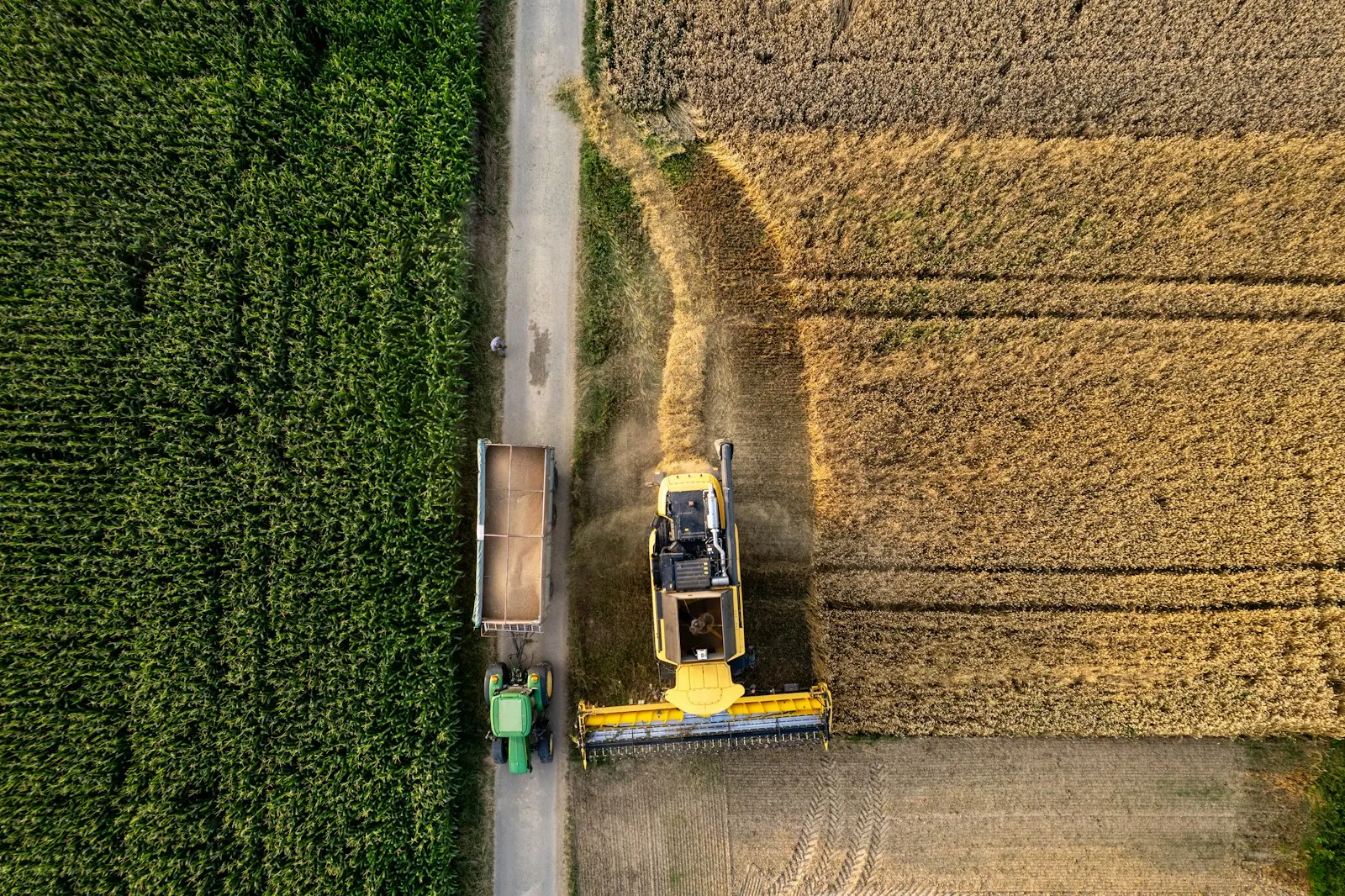
Aerial view of a harvester cutting a pale wheat field beside a strip of dark green crop, a tractor and trailer following on the track between them.

The aircraft is half of it

The Mist Drone range is designed and built in Malaysia by Aonic's own engineers, which matters less as a point of pride than as a service question: parts, firmware and the people who know the machine are all in Subang Jaya.

It pairs natively with the Aonic Agriculture App, a single mobile platform rather than a set of disconnected tools. Crop health metrics, supply chain management and access to financing sit in the same place, which is the only way a smallholder realistically uses any of them.

Hardware cost is the usual barrier to a first drone, so Aonic Flex leases the equipment instead of selling it outright. An estate can run a season on leased aircraft and decide afterwards whether to own them.

The same logic runs through the rest of the business. Aonic sells aircraft, but what it operates is the chain around them.

Two operators in wide-brimmed hats beside a pickup at the edge of a field, one holding a ground control unit, the other watching the sky.

Certification is the bottleneck, not the flying

Commercial drone work in Malaysia runs on certificates, and most organisations discover this after they have bought the drone. A pilot needs the CAAM Remote Pilot Certificate of Competency, Basic. Agricultural dispensation needs the Agricultural UAS Operations module on top of it, which is what the CAAM Agricultural Aerial Work Certificate is granted against.

Aonic Academy runs that training through Drone Academy Asia, an approved Remote Pilot Training Organisation under Regulation 64 of the Civil Aviation Regulations 2016. Approval is the part that matters: an unapproved course produces pilots who still cannot legally fly the job.

Training is not a one-off either. The Academy covers standard operating procedures, pilot assessment and programme management, which is how a certificate becomes a crew that can be scheduled.

The Services arm handles everything downstream. Repair, preventative fleet maintenance and regulatory advisory, so an operator stays inside the rules as the fleet grows from one aircraft to a dozen and the paperwork grows with it.
Subang Jaya, and two offices across the border

Kuala Lumpur

9, Jalan TP 6, Taman Perindustrian UEP, 47600 Subang Jaya, Selangor, Malaysia

Headquarters, engineering and the service centre. Aircraft are designed, assembled and repaired here, and the Academy runs from the same site.

Bangkok

Bangkok, Thailand

Regional office covering Thai agriculture and infrastructure work.

Ho Chi Minh City

Ho Chi Minh City, Vietnam

Regional office covering Vietnamese operations.

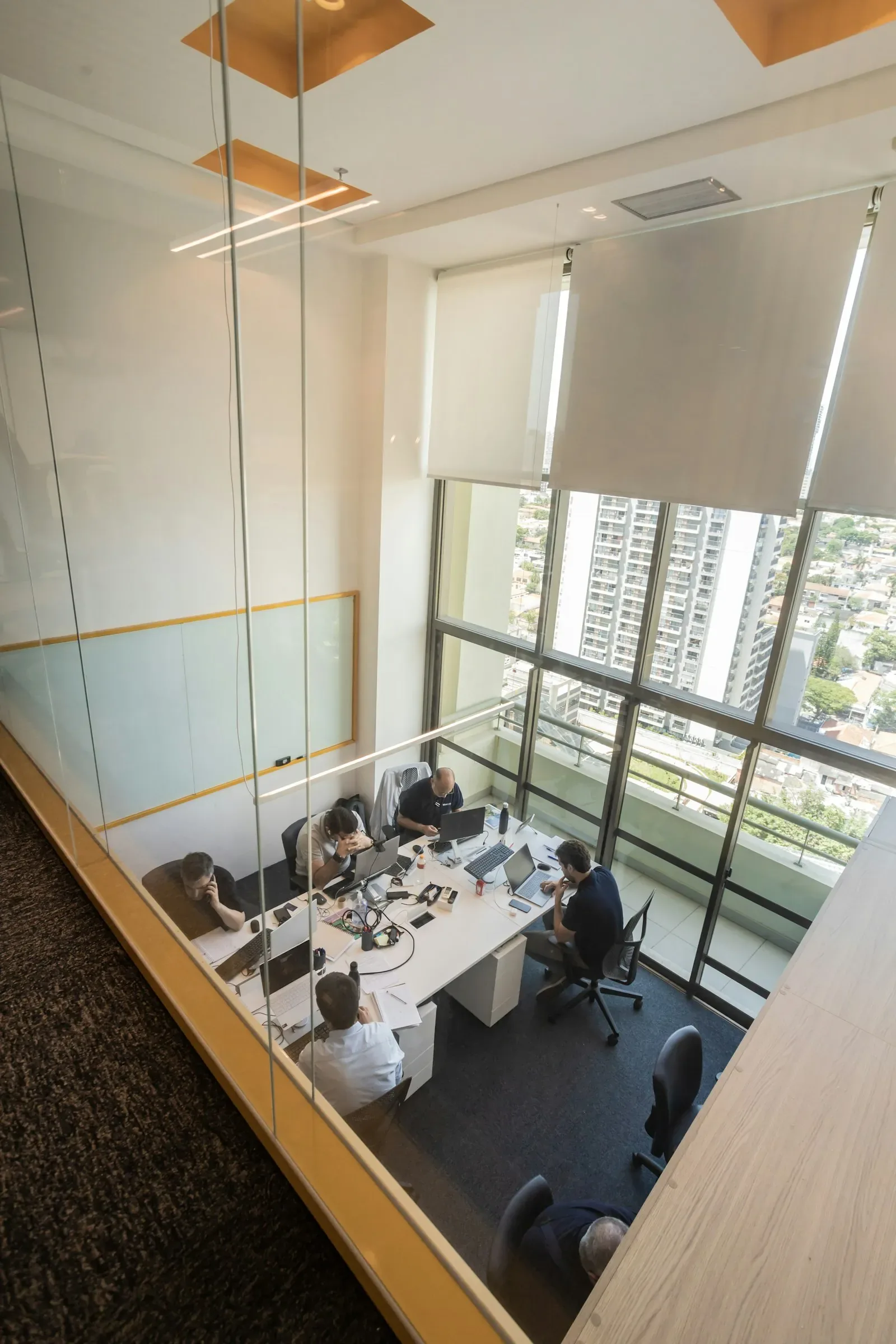
Looking down into a glass-walled meeting room where several people work around a long white table, tall windows along one side.

Questions we get before a first deployment

Do I need a licence to fly a spraying drone commercially?

Yes. Commercial operation in Malaysia requires the CAAM Remote Pilot Certificate of Competency, Basic. Agricultural spraying needs the Agricultural UAS Operations module as well, which supports the application for an Agricultural Aerial Work Certificate. Aonic Academy trains for both through Drone Academy Asia, an approved Remote Pilot Training Organisation.

Can Aonic support drones we did not buy from Aonic?

Yes. Aonic distributes DJI Enterprise hardware alongside its own aircraft, and the Services arm covers repair and preventative maintenance rather than only servicing what it sells. The point of a local service base is that a fault does not mean shipping an airframe out of the country.

We cannot justify buying a fleet outright. Is there another route?

Aonic Flex leases the equipment instead of selling it, so a first season can be run without a capital purchase. The hardware cost, not the technology, is usually what stops a first deployment.

Which aircraft suits our crop?

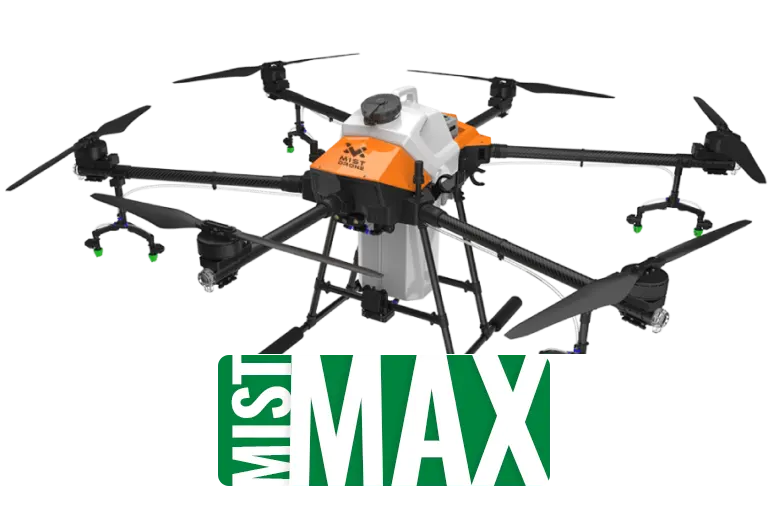
Mist Max is a blanket and point-to-point spraying drone for paddy, farmland and open-field crops, with a 20 litre tank. It sits in the Mist Drone range alongside Mist Lite and Mist Pro. Tell us the crop and block size and we will tell you which one fits.

Where is Aonic based?

Headquarters, engineering and the service centre are at Subang Jaya in Selangor, with regional offices in Bangkok and Ho Chi Minh City. Aircraft are designed, assembled and repaired at the Malaysian site.